

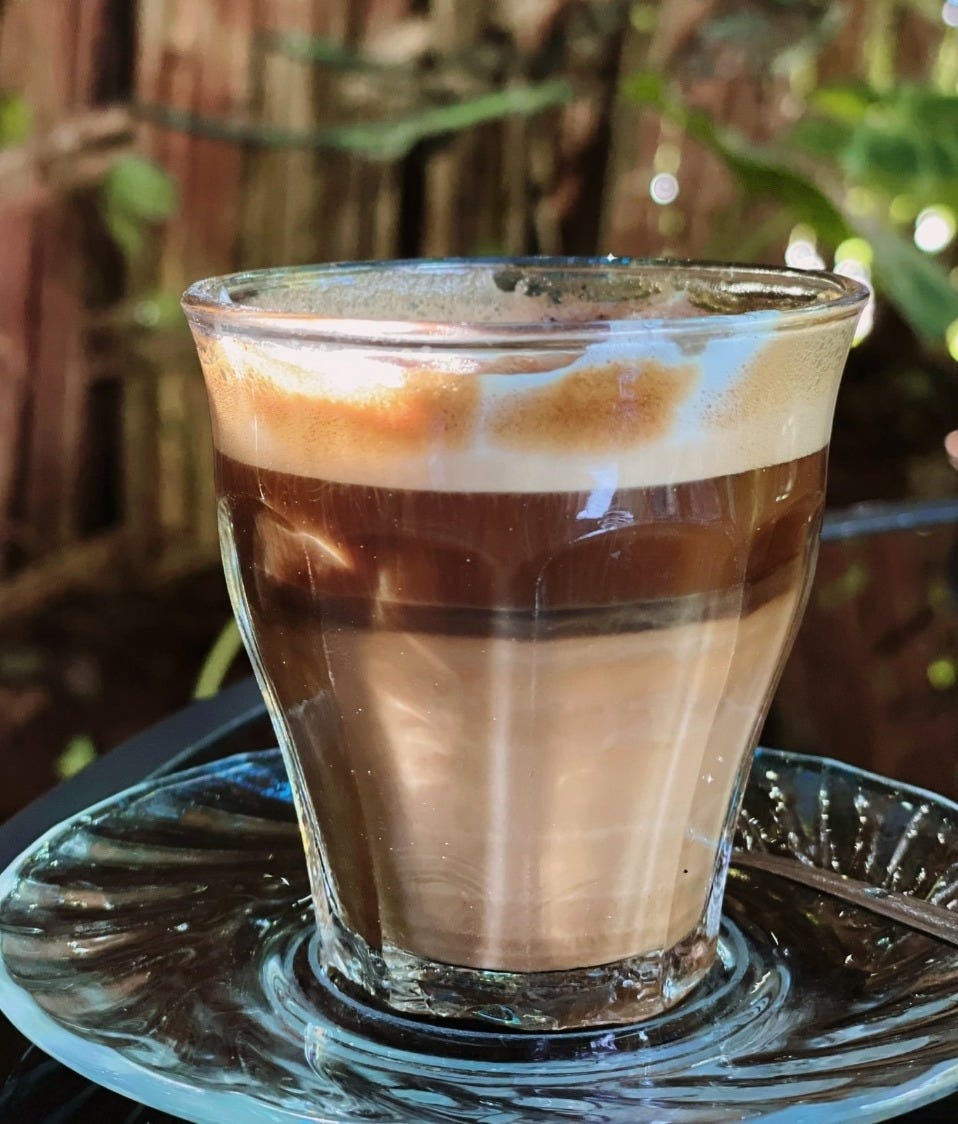
Neta yale Macchiato
Ordering a Macchiato in Ethiopia
Nobody warned me that one sip would ruin every other coffee shop for me. Forever.
Walk into almost any café in Addis Ababa and order a macchiato. The barista will look at you and ask one simple question:
“Tiqur or Nech?”1
Dark or light, in Amharic. That’s it. No oat milk options, no size choices, no syrup add-ons. Just: how do you want your coffee? Refreshing, honestly.😊
Tiqur (Dark) & Nech (White/Light)
But dive deeper, and you’ll find nuance:
Teqor yale2 : The bold choice. Darker, stronger, unapologetic. For the brave.💪🏼
Neta yale3: The gentle soul. Softer, lighter, creamy, and kind. For the rest of us.😉
The main difference is how much milk hits the espresso. And depending on the season, there’s one more question, one that reflects something deeper about Ethiopian culture:
Yetsom : fasting. Plant-based milk, usually soy.
Yefisik : non-fasting. Regular dairy.
That’s the whole menu. Within seconds, your macchiato arrives in a small glass cup: espresso rich and dark, milk smooth and silky, foam perfectly puffed on top. No waiting ten minutes while someone misspells your name on a cup.😉
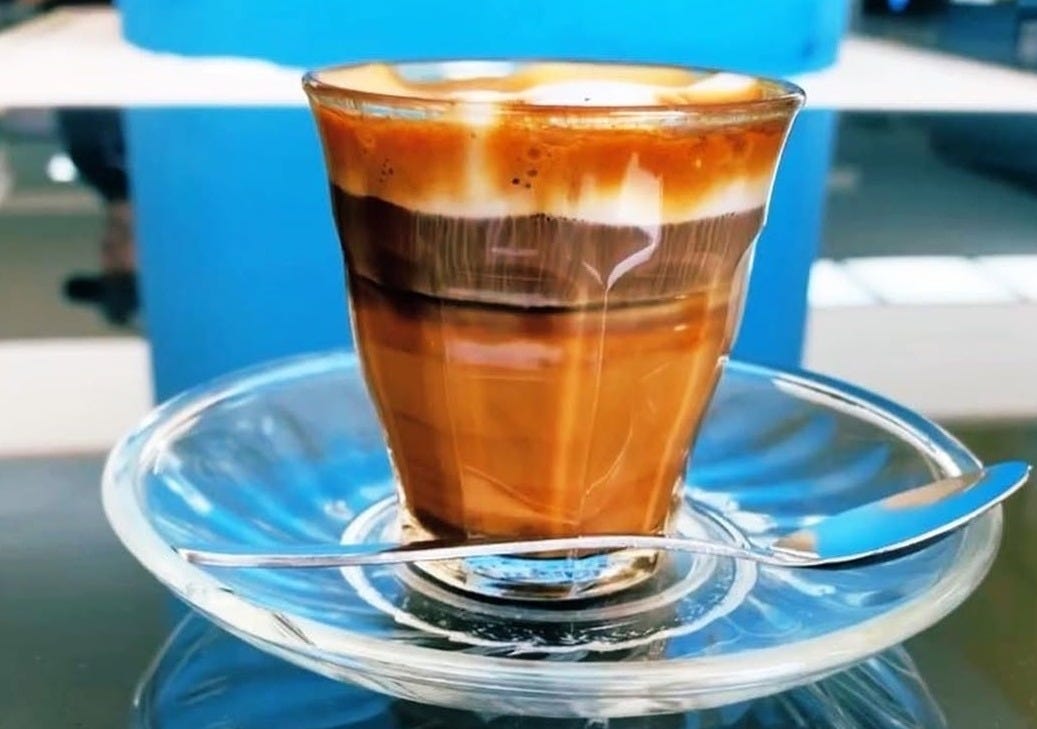
Teqor yale macchiato
From Italy to Ethiopia, with a Detour (and a Beautiful Evolution)
Picture this: The macchiato arrives in Ethiopia from Italy, confident and elegant. Caffè Macchiato literally means “stained coffee” - espresso delicately kissed with a whisper of milk foam. A small moment of perfection.
But then something beautiful happened……
Here in Ethiopia, especially in the buzzing cafés of Addis Ababa, the macchiato didn’t just stay as it was - it grew. It became beloved. It became part of our coffee story. And in true Ethiopian tradition, we made it our own.
The macchiato you order at your favorite locale? It’s a graceful cousin of the Italian original. It’s actually a latte macchiato - the same spirit, just expressed differently. Instead of espresso stained with foam, you’re getting foamed milk stained with espresso. A gentle inversion that honors both traditions.
Two versions. Two ways to enjoy the same beautiful idea.
Don’t overlook the macchiato, though. Order it with Teqor Yale, and you’re getting strength that rivals a pure espresso. The quality of the coffee changes everything. A macchiato made with exceptional Ethiopian beans isn’t a step down from anything - it’s a different conversation altogether.
Ethiopians didn’t just copy it. They absorbed it, adapted it, and made it completely their own. Classic Ethiopia, honestly.😊
Here’s the thing though. Ethiopia didn’t need anyone to teach it about coffee. This is the birthplace of coffee. Ethiopians have been roasting beans over charcoal, grinding them fresh, and brewing in a traditional clay pot called a Jebena for centuries. So when espresso culture showed up, it didn’t replace anything. It just joined a tradition that already ran deep. The new kid respectfully took a seat.
Why does it taste so good?
Travelers ask this constantly, and honestly, the answer isn’t complicated:
The beans. Many cafés use locally sourced Ethiopian coffee, some of the most aromatic, complex beans on the planet. Home advantage is real.
The baristas. Espresso pulled strong, milk steamed with actual care, foam that’s silky rather than bubbly. These people take it seriously. No half-hearted pours here.
The simplicity. No syrups. No flavored nonsense. No cup the size of a soup bowl. Just espresso, milk, and foam in the right proportions.
Sometimes less really is more. (Someone tell the rest of the coffee world.)📢📢
“Stories, surprises, and coffee that wakes your senses… Pass it on!”
A coffee break, Ethiopian style
In a lot of countries, coffee is something you grab and go. In Ethiopia, a macchiato is a reason to sit down.
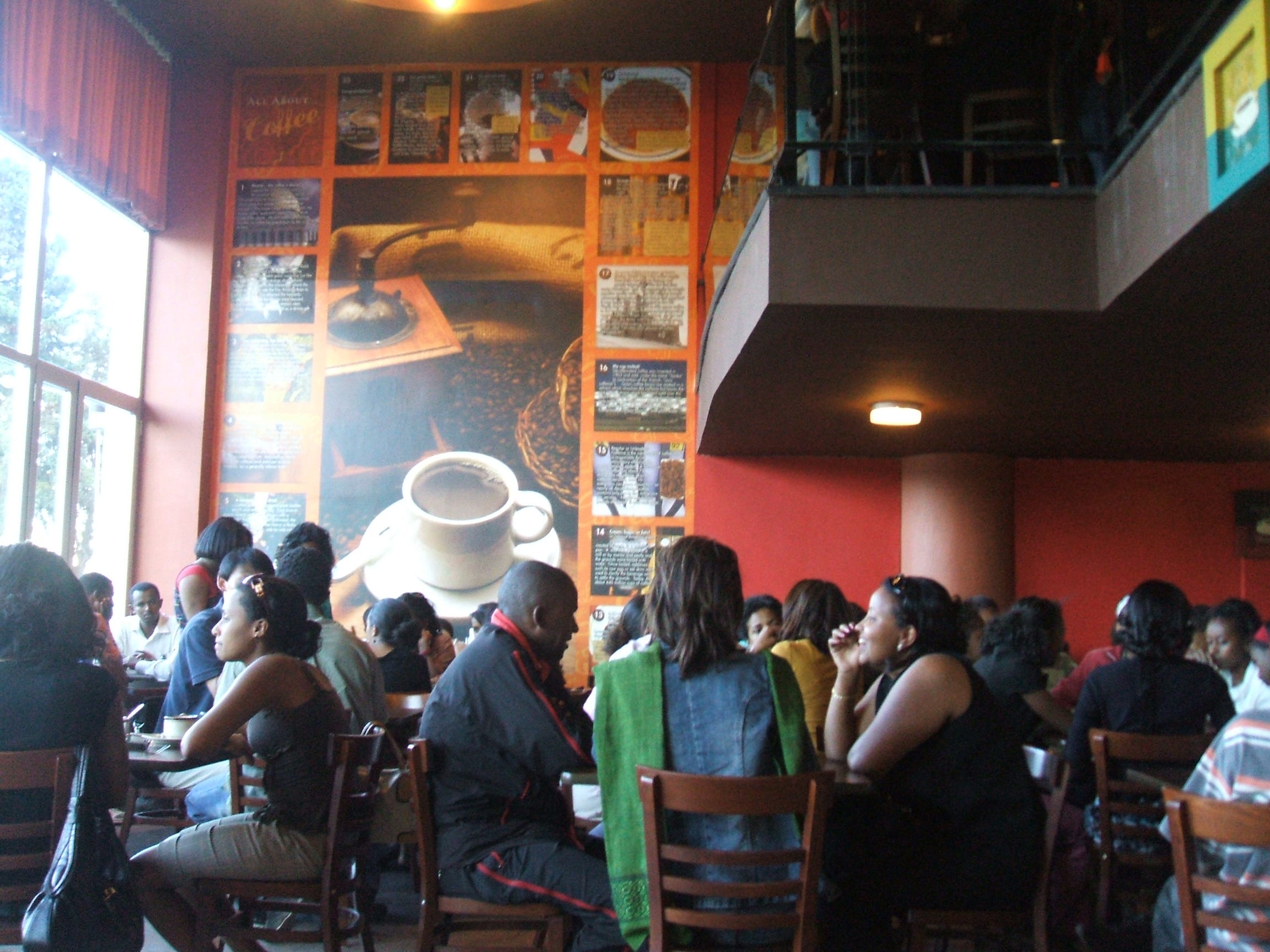
People pull up chairs at café tables to talk with friends, discuss business, read, or just pause for a few minutes in the middle of a busy day. Students, professionals, families, everyone drinks macchiatos. It’s not a luxury or a trend. It’s just part of life.
Some of the most memorable ones aren’t in the newest, flashiest spots either. They’re in old cafés near Mexico Square, around the Ethiopian National Theatre, or tucked into the busy Piazza area, places where baristas have been pulling shots for decades. Watching them work feels like watching a small, unhurried performance. Milk steams, espresso flows, foam settles. Outside, Addis moves fast. Inside, for a few minutes, the world slows down. Nobody is rushing you. Nobody is asking if you want room for cream.
And it’s not just Addis
Great macchiatos aren’t exclusive to the capital. You can find them in smaller cities, roadside stops, and tiny hotels deep in the countryside. Some of the best I’ve had were in Bonga (Kaffa zone) and in Yirgacheffee, which, if you know coffee, you already know that name.
It proves a point: incredible beans alone don’t guarantee an incredible cup. I’ve been to countries sitting on beautiful coffee that somehow still manage to disappoint. (You know who you are.) Ethiopia, almost everywhere you go, gets it right.
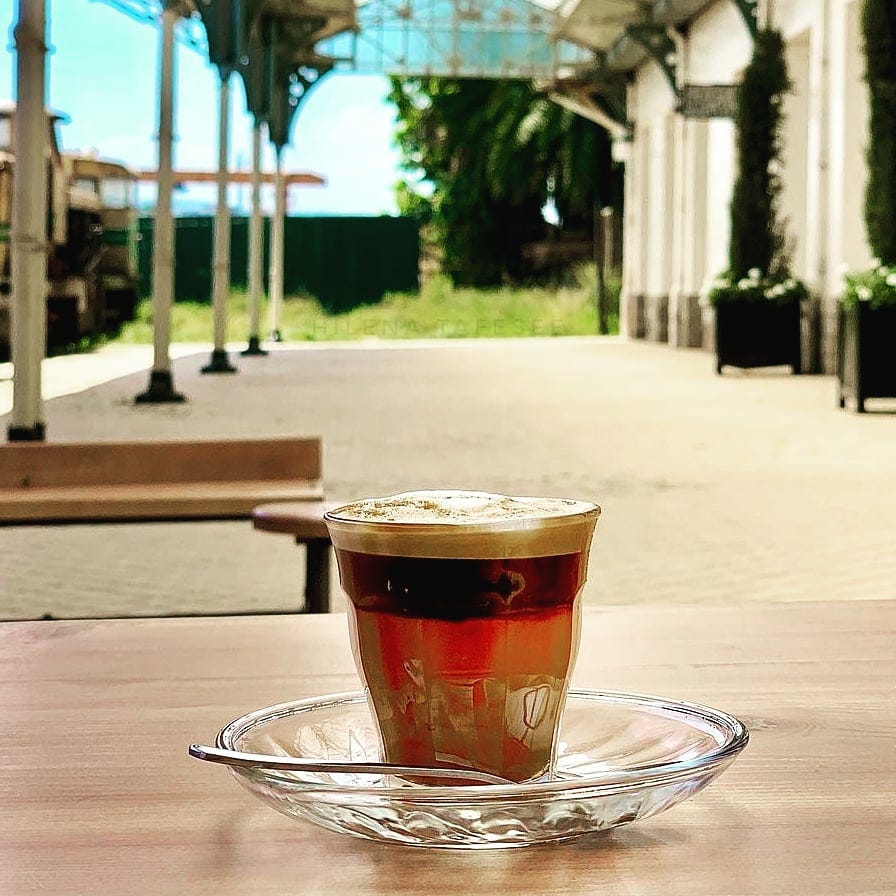
Small drink. Big culture. Life-ruining in the best possible way.
Go to Ethiopia. Order a macchiato. Say tiqur with confidence even if you have no idea what you’re doing. Trust the barista, sit down, slow down, and let the tiny glass do its thing….
And when you get back home and try to order a macchiato somewhere else? Don’t say I didn’t warn you.

Thanks for sipping! ☕ Join Jebena Diaries for stories, flavors, and a pinch of surprise in every cup 😉
ጥቁር (Tiqur) or ነጭ (Nech) : Black or White.
Teqor Yale : Darker and stronger.
Neta yale: lighter and smoother.