

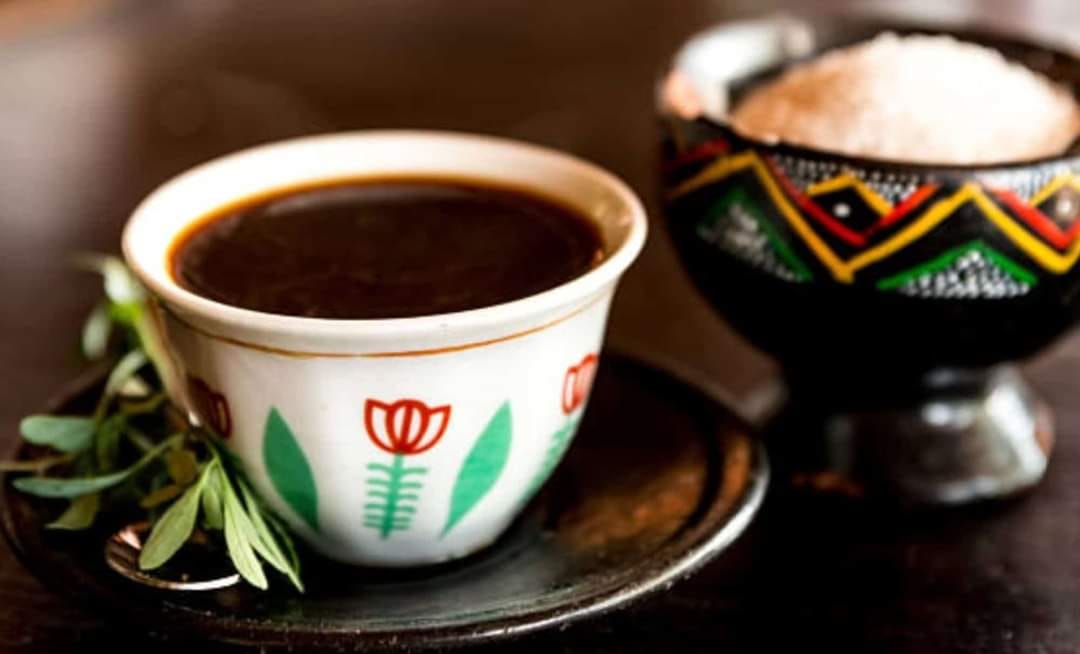
ጤናዳም
Tenadam 1It was simply there. In the garden. In the kitchen. In the coffee. And sometimes, in your small hand when your great grandmother told you to chew it.
Not because it tasted good. Honestly, it tasted terrible.
I remember standing there, looking at the tiny seeds in my hand, already suspicious. I knew this was not going to be a pleasant experience. But in an Ethiopian household, refusing was not really an option. So I chewed.
My face said everything. My great grandmother laughed. My mother said, “It will help.”
And it did.
This is how many Ethiopian children first experienced tenadam. Not as a flavor. Not as a coffee note. But as their first traditional medicine, given with confidence and a small smile that said, you will understand later.
The meaning behind the name
In Amharic, tena adam means “the health of mankind.”
This is not just a symbolic name. It reflects how the plant has been understood for generations. Tenadam, known botanically as Ruta chalepensis, is considered a medicinal herb and an essential part of daily life.
It was not grown for decoration. It was grown to be used. It existed to heal, to support food, and to accompany coffee.
A quiet but essential ingredient in Ethiopian food
Tenadam is a quiet but essential ingredient in Ethiopian cooking. Its leaves and seeds are used in traditional spice blends, like shiro powder, adding depth and balance without ever dominating the flavor. Most people can’t immediately identify it in a dish, but its absence changes everything ,its subtle presence holds the flavors together.
As a child, I discovered this magic in a cup of tea. I used to think of it as ye leqsobet shay 2tea made during mourning. I remember trailing our mothers in the kitchen with the neighborhood kids, receiving a small cup of tenadam tea and a piece of bread to keep us calm and quiet at the funeral home. The tea was warm, fragrant, and comforting, and sipping it made me feel grown-up, part of a quiet ritual that carried care and connection.
Even now, I think of tenadam the same way: indispensable, quietly enhancing everything around it, whether in a simple cup of tea or a complex spice blend.
Caught in the warmth of that tea memory, I nearly forgot the coffee in front of me…so where was I?
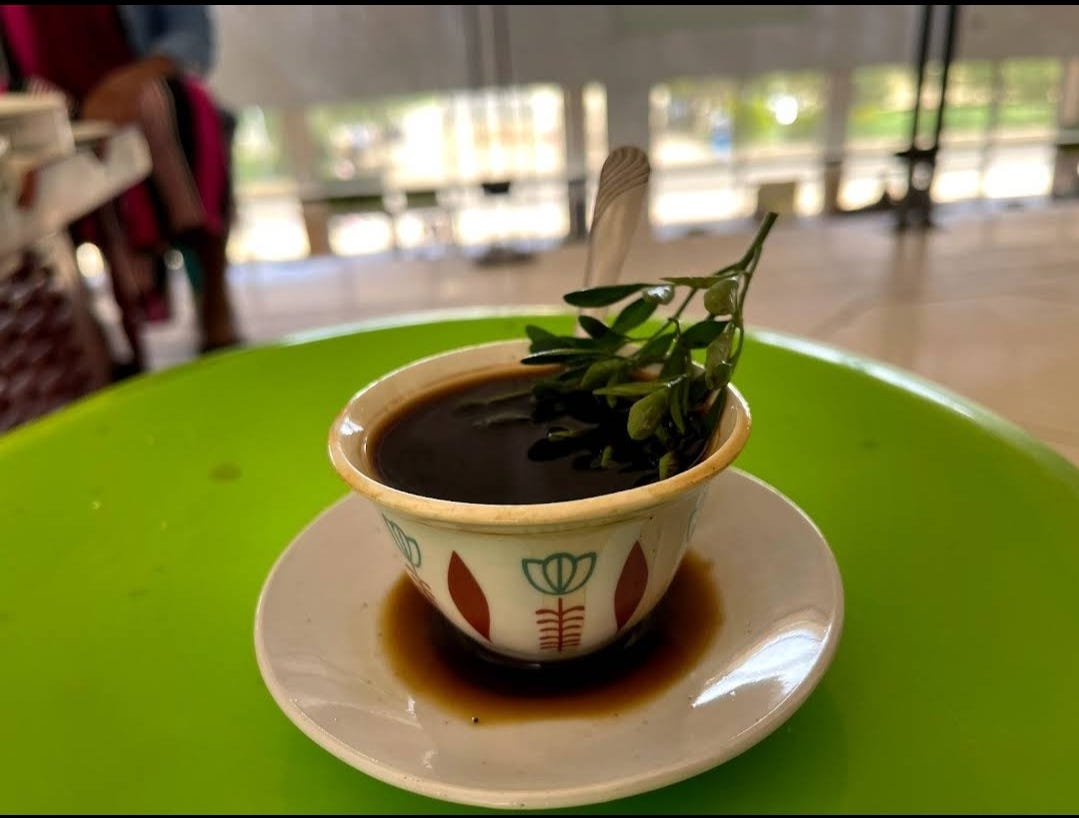
Tenadam used in Ethiopian coffee preparation.
During the jebena brewing process, fresh leaves are served beside the cup or already dropped in your cup of coffee (this It doesn’t happen often) as the coffee gets bitter if you miss the timing of dipping or forget it longer than you should longer, I mean 30 seconds… hahaha!
Its purpose is not to change the identity of the coffee, but to enhance it.
It adds a fresh herbal character and increases the complexity of the cup.
Adding tenadam to coffee is also a gesture of care and hospitality.
Don’t worry !! we don’t drop tenadam into every coffee we brew, like espresso or cappuccino… we’re not that crazy 😜
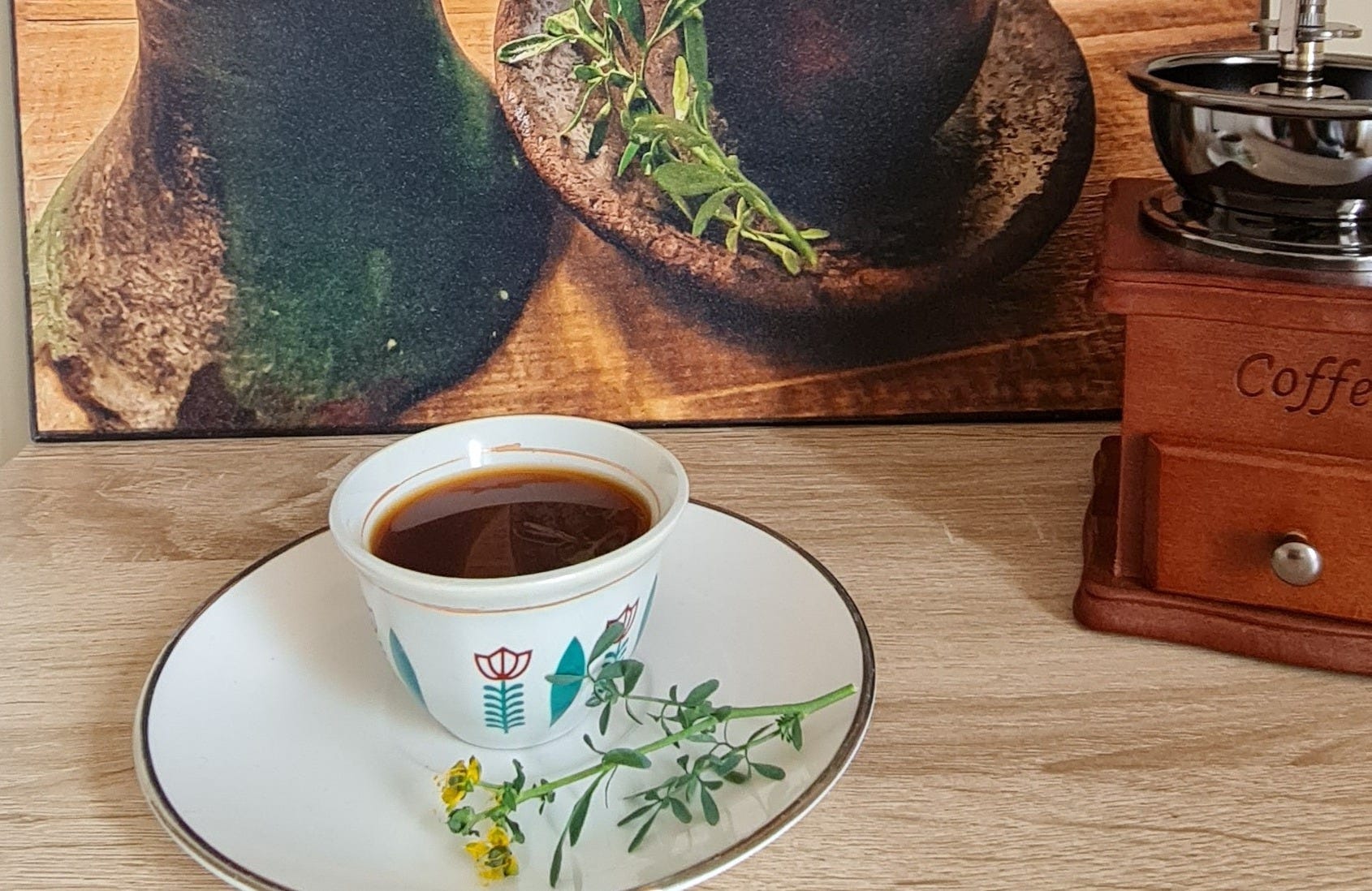
“Stories, surprises, and coffee that wakes your senses… Pass it on!”
Describing tenadam as a coffee cupper
As Ethiopian cuppers, describing tenadam is straightforward because it is part of our sensory vocabulary. We grew up tasting it, smelling it, and recognizing it.
The challenge comes when working with international teams who have never encountered it.
I experienced this during cuppings with colleagues in France. When I described a coffee as having tenadam characteristics, the reference was not immediately understood. I had to explain the flavor in terms that could be recognized outside Ethiopia.
Botanically, tenadam belongs to the same family as rue, and this provides the closest reference point for many European tasters.
In coffee, tenadam contributes:
A fresh herbal aroma
A slightly bitter but clean edge
A green, lively character
A subtle medicinal quality associated with traditional herbs
It does not mask the coffee’s origin character. Instead, it adds complexity and freshness.
A culturally specific sensory reference
This experience highlights an important aspect of coffee tasting: flavor references are often local.
Cuppers describe coffee using the ingredients, plants, and foods they know. Ethiopian cuppers may reference tenadam in the same way others reference herbs that are familiar in their own regions.
Understanding these references requires more than translation. It requires cultural context.
Tenadam is not only a plant added to coffee. It represents a connection between Ethiopian agriculture, food, traditional medicine, and coffee culture.
Its name “the health of mankind” reflects how deeply it is integrated into daily life.
But now, let’s be honest.
How many times am I supposed to drink tenadam?
And how many cups of coffee are we talking about exactly?
Because in the Ethiopian Abol, Tona, Bereka coffee ceremony… one cup is never just one cup.
It’s three. Minimum.
Refusing is not really an option.
And somehow, your grandmother is still watching to make sure you finish all of them.
So… coming up next:
How I survived my first real Abol Tona Bereka ceremony…
and why Ethiopians believe the last cup carries the blessing even when your stomach says otherwise. ☕😄

ጤና አዳም (Tena Adam) : the full, original form, meaning health of mankind or literal translation “health of Adam”
ጤናዳም (Tenadam) : the common everyday written and spoken form, especially when referring to the plant itself
ጤና አዳም (Tena Adam) : Ruta chalepensis Herbal plant served on the side of coffee in Ethiopian coffee cerimony
Leqso bet : Mourning houses