

So here we are....
If salt in coffee made you pause, butter might make you blink twice. But this isn’t a modern experiment or a trend born on social media. Long before it appeared in wellness blogs, coffee with butter existed as nourishment, ritual, and daily life.
In Ethiopia, coffee and butter have met in the same cup for generations.
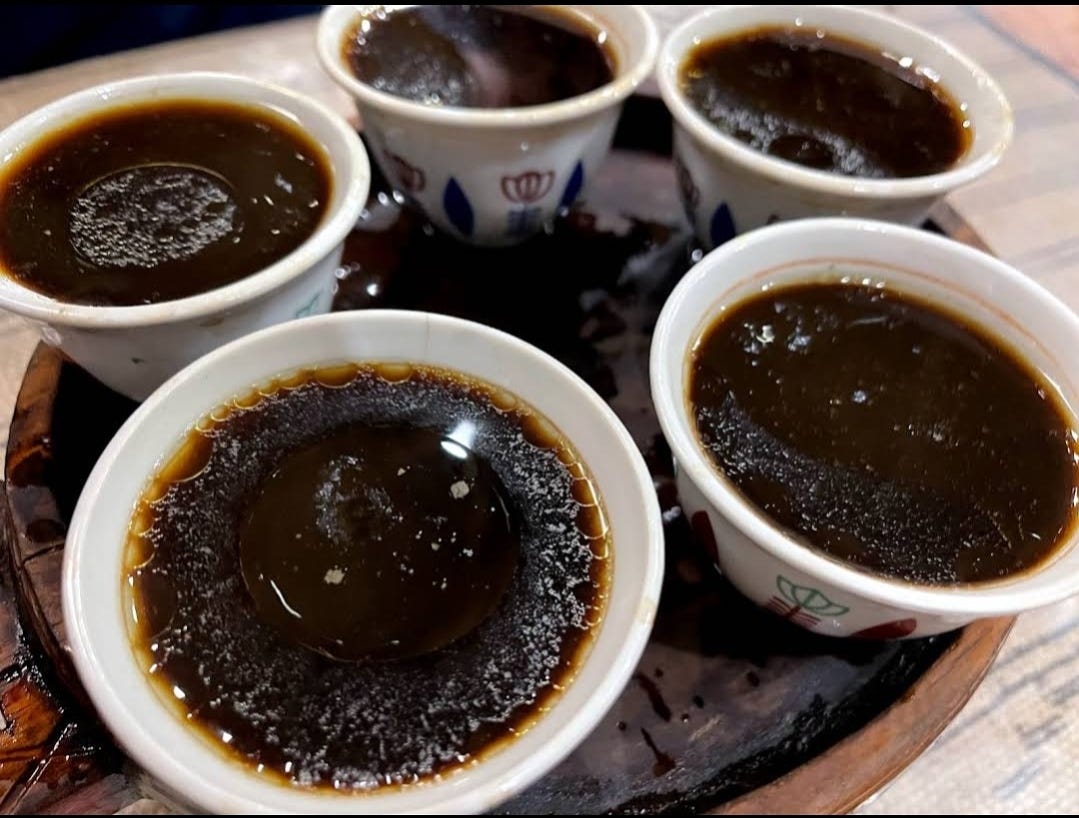
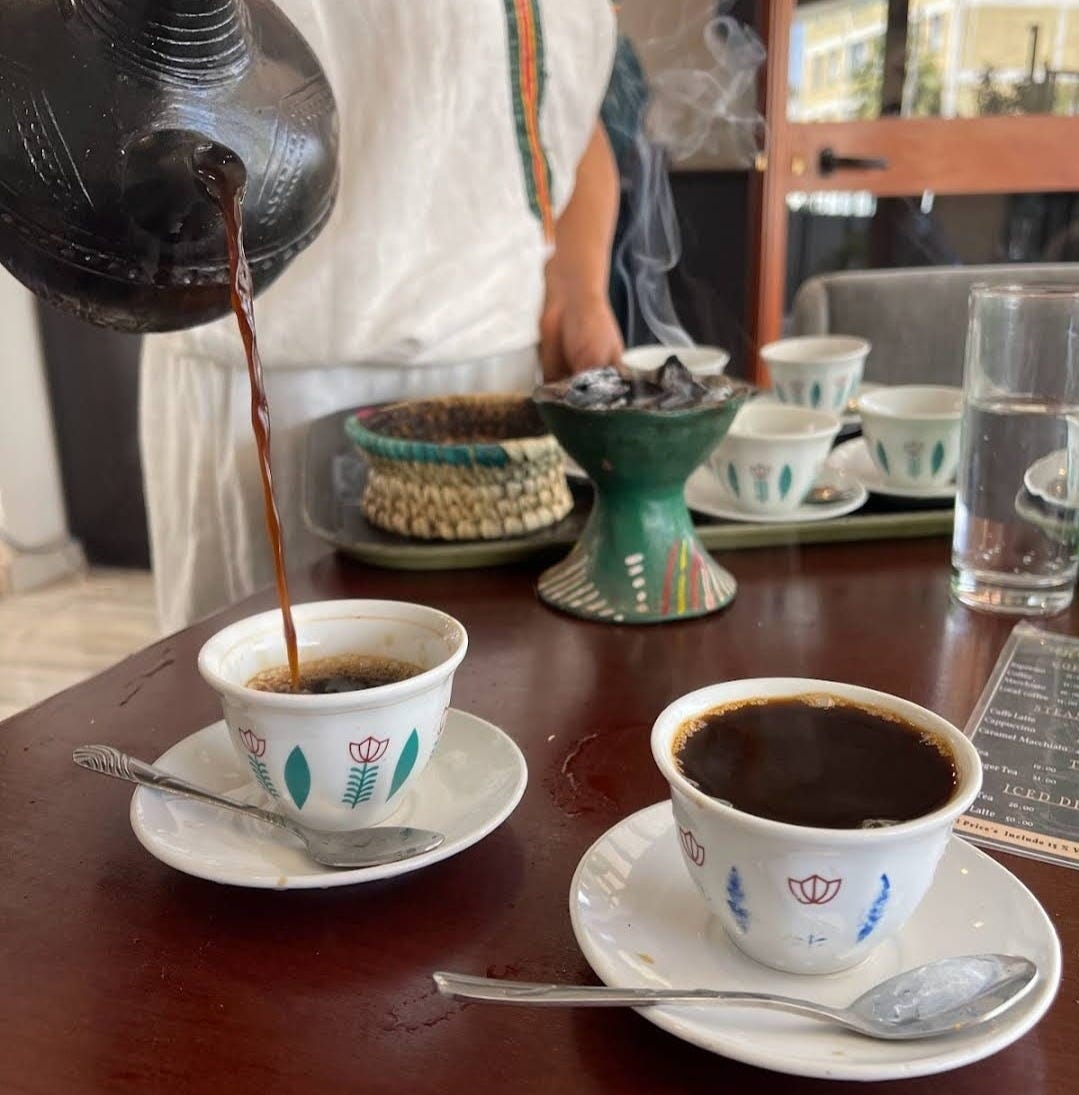
After the coffee is roasted, ground, and slowly boiled in the jebena, it is poured while still hot. Then, a small amount of butter is added. It melts instantly, softening the coffee’s edges and giving it a fuller, rounder body. The taste is not greasy, as people often expect, but balanced and rich without losing the character of the coffee itself.
In many highland communities, this was never about indulgence. It was practical. Butter added calories and warmth, turning coffee into something that could sustain a person through long mornings of physical work, travel, or cold air. It was both comfort and fuel.
But meaning lives here too.
Offering coffee with butter can signal care, generosity, and respect. It reflects attention, to the guest, to the ingredients, and to the moment being shared.
In the southern Oromia region, among the Guji people, this relationship takes a deeper form in a tradition called Buna Qalaa. Often translated as “slaughtered coffee,” it refers to whole coffee beans simmered with butter and milk, sometimes eaten as much as drunk. It is prepared during ceremonies, blessings, and important gatherings, where it represents well-being, fertility, and community connection.
It reminds us of something easy to forget: coffee was not always just a beverage.
For some, it was sustenance first.
Oral traditions describe coffee mixed with butter and carried during journeys, valued for the strength it provided. Long before coffee became a global drink defined by flavor notes and brewing methods, it supported people in more direct ways.
Even today, adding butter to coffee exists quietly within Ethiopia’s broader coffee culture. Not everywhere. Not every day. But enough to remain part of its living memory.
Because here, coffee was never separate from life.
It was part of surviving it.
And sharing it
So… Why Butter in Coffee?
Part of the answer is cultural. Part of it is practical. And part of it, interestingly, is scientific.
Butter is almost entirely fat, and fat slows digestion. Research shows that fat can delay gastric emptying, meaning caffeine may be released more gradually into the bloodstream rather than all at once. This can create a longer-lasting sense of energy and fullness compared to drinking black coffee alone.1
A scientific review published in the American Journal of Clinical Nutrition explains that dietary fat increases satiety and slows energy absorption, which may help explain why butter coffee feels more sustaining than regular coffee.2
At the same time, nutrition researchers emphasize balance. Butter is high in saturated fat and calories, and while it can provide energy, it does not offer unique cognitive or metabolic benefits beyond its caloric value. Its effects depend on the overall diet, lifestyle, and individual health.3
In other words, butter doesn’t make coffee magical.
But it can make it sustaining.
Which is exactly how it has been used for generations.
A Blend of Tradition and Perspective
Today, butter coffee appears in many forms, from Ethiopian homes to modern cafés to global wellness trends.
But its meaning is not the same everywhere.
In Oromo communities, preparations like Buna Qalaa are not trends. They are part of ceremonies, identity, and shared life.
They tell a quieter story.
One where coffee was not only about taste.
But about strength.
And if you thought salt and butter were surprising companions for coffee…
There are still more stories waiting in the jebena.
“Stories, surprises, and coffee that wakes your senses… Pass it on!”
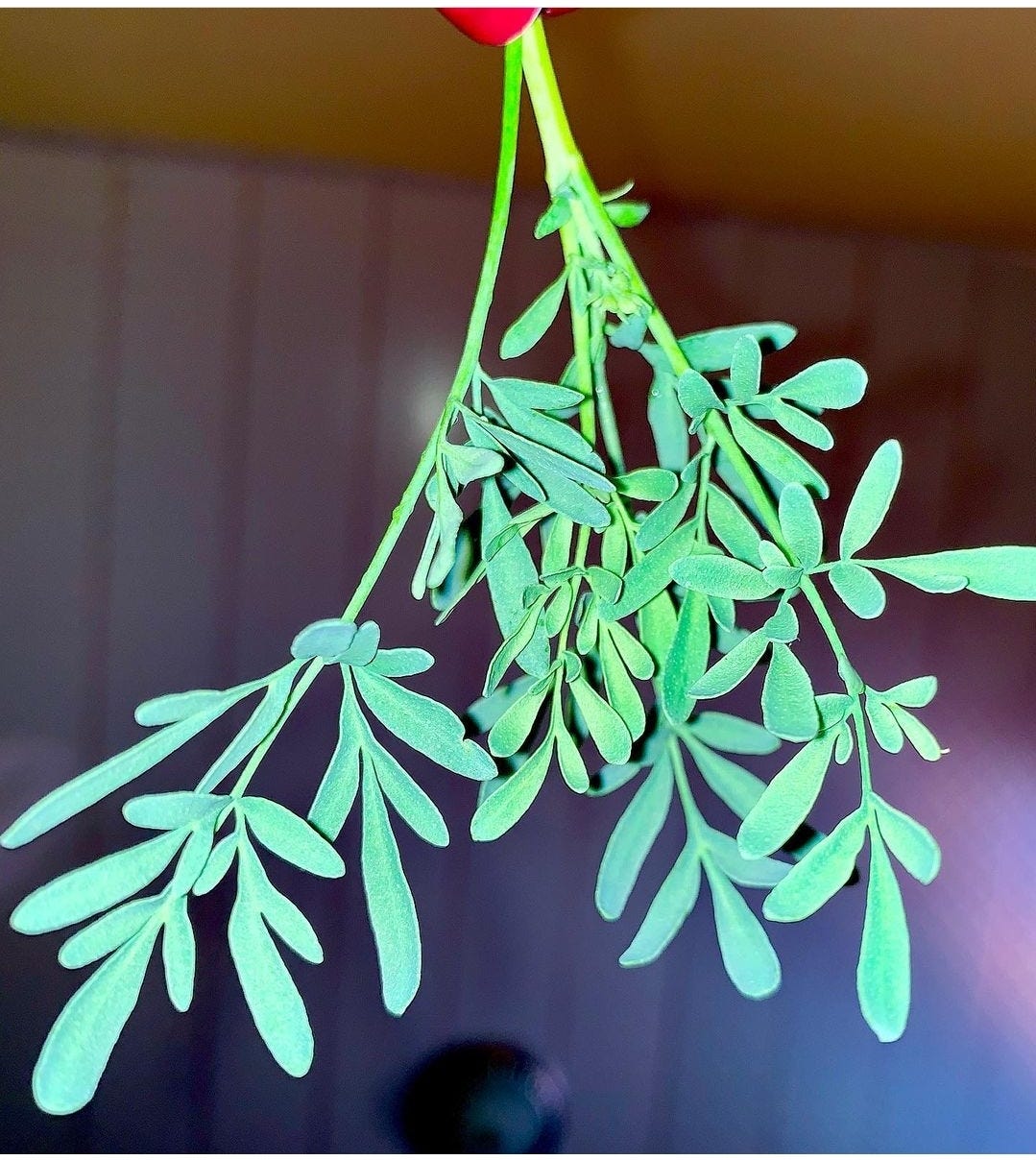
“Part 3: A dash of ጤና አዳም - a magical plant that brings your coffee to life. 🌿☕ Coming soon in Jebena Diaries!”

Hunt, J. N., & Stubbs, D. F. (1975).
“The volume and energy content of meals as determinants of gastric emptying.”
The Journal of Physiology
Rolls, B. J., & Bell, E. A. (1999) “Intake of fat and satiety.”
American Journal of Clinical Nutrition
Harvard T.H. Chan School of Public Health “Butter and health: What’s the story?”
https://www.hsph.harvard.edu/nutritionsource/food-features/butter/