
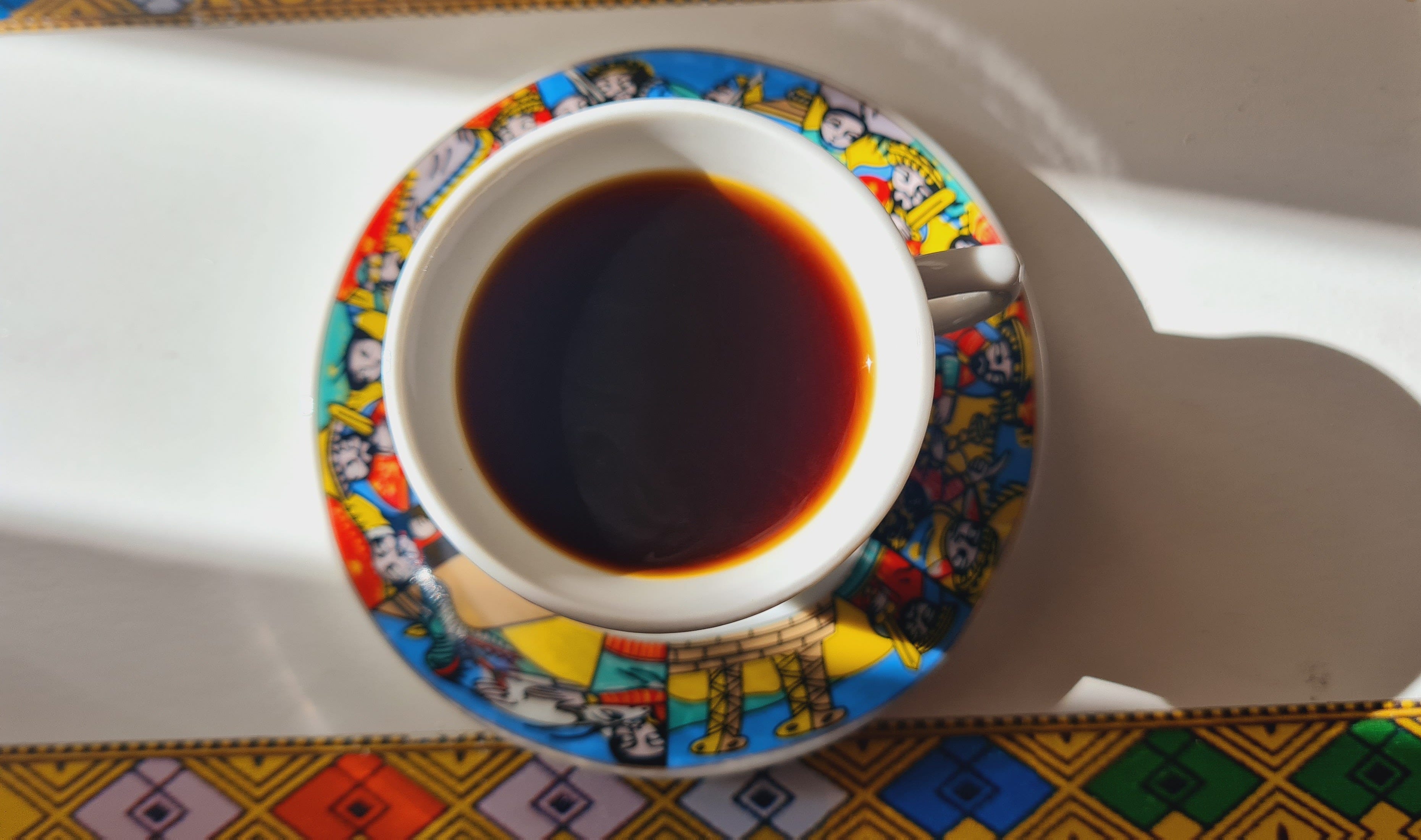
Pull up a chair. Pour your coffee. This tradition is older than sugar.
Somewhere between your first sip of coffee and your second raised eyebrow, you hear it: “Did you say salt?”
Yes. Salt. In coffee. In Ethiopia, this isn’t a trend, a dare, or a wellness hack. It’s a memory. A tradition. A way of drinking buna that predates sugar, syrups, and social media opinions.
Ethiopia is the birthplace of coffee, but more importantly, it is the birthplace of coffee as culture. Here, coffee was never meant to be rushed, sweetened beyond recognition, or consumed alone. It was brewed slowly, shared generously, and sometimes, very deliberately seasoned with salt. little secret passed from neighbor to neighbor…..not gossip😉 a whisper over the steam of the cup, just between friends .
Coffee Before Sugar: Understanding Ethiopian Buna Culture
Long before sugar became widely available, Ethiopians were already drinking coffee. 1Buna was valued for its warmth, its strength, and its ability to gather people together. In many regions, especially rural areas, sugar was scarce. Salt, however, was present and practical.
Coffee wasn’t dessert. It was nourishment. It was conversation. It was ceremony.
Enter the 2jebena, the clay coffee pot that sits at the center of Ethiopian coffee tradition. The jebena doesn’t just brew coffee; it holds stories. Every pour carries history, and every variation reflects place, time, and family habit. Salted coffee is one of those variations, passed down quietly, without explanation because it never needed one.
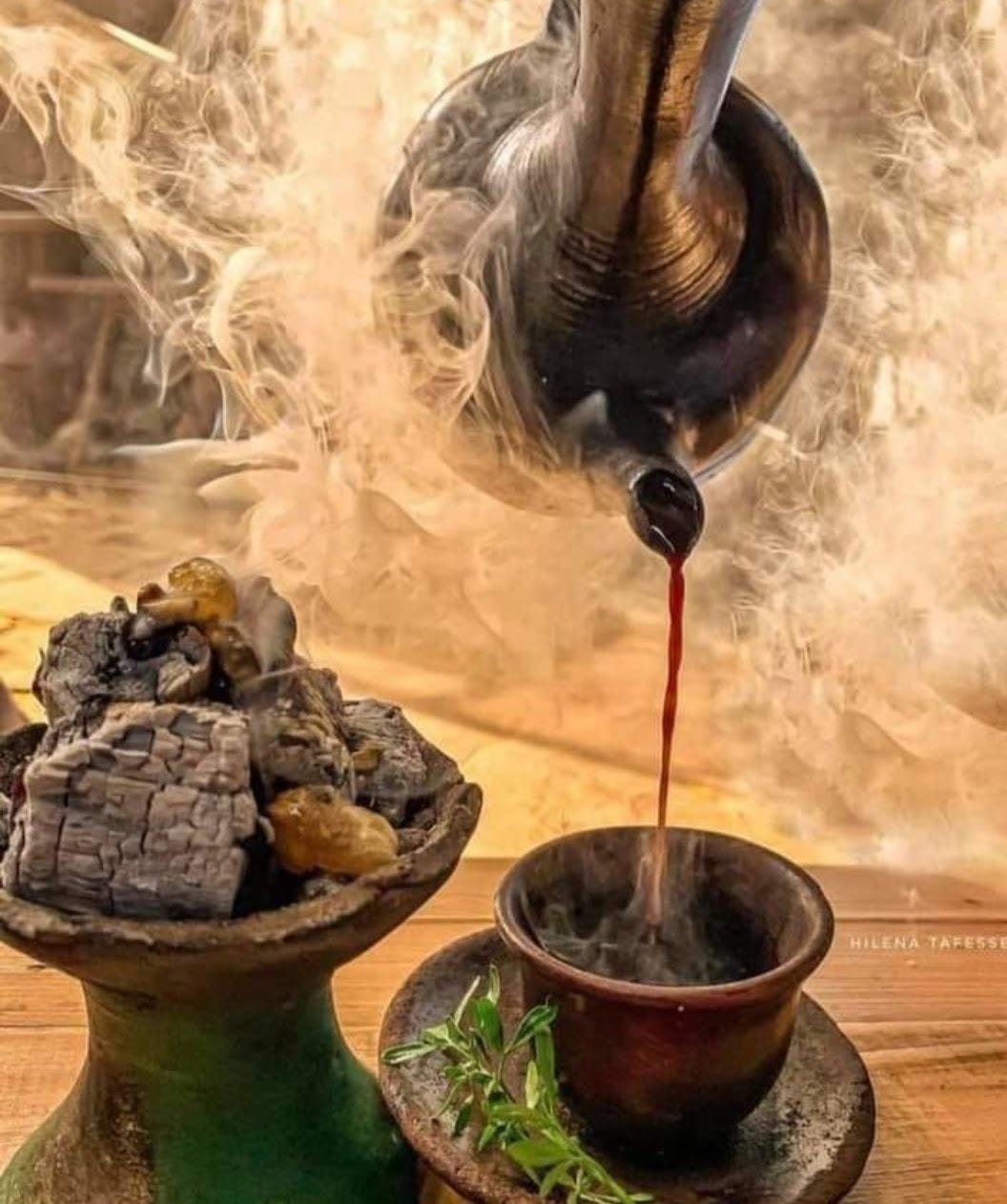
Photo credit: [Hilena Tafesse]
So… Why Salt in Coffee?
Let’s demystify it.
First, salt reduces bitterness. A tiny pinch can soften harsh notes and make coffee taste smoother. This isn’t folklore, it’s chemistry. But Ethiopians didn’t need lab studies to know this. Taste taught them.
Second, it reflects resourcefulness. Ethiopian coffee culture grew from what was available, not what was fashionable. Salt wasn’t a substitute for sugar; it was its own choice.
Third, it’s cultural. In some communities, adding salt to coffee is simply how it has always been done. It signals familiarity, not shock value. You don’t drink it to impress, you drink it because your grandmother did. Which was the case for me.
And no, not every Ethiopian drinks coffee with salt. Ethiopia has dozens of coffee cultures, not one. Some prefer sugar, some drink it plain, and some still keep the salted cup alive. especially among elders.
A Pinch of Science: How Salt Actually Reduces Bitterness
There is a scientifically validated mechanism behind what many coffee lovers intuitively experience. Research in taste science shows that sodium, the primary component of salt can suppress the perception of bitterness at the level of taste receptors on the tongue. In controlled sensory studies, scientists found that when salty compounds like sodium chloride are present with bitter substances (including caffeine and other bitter tasting molecules), the perceived intensity of bitterness can be reduced, even though the salty taste itself doesn’t fully dominate. This occurs because sodium ions interact with bitter taste receptors, diminishing their signaling and allowing sweeter and more pleasant notes to register more clearly on the palate.
Suppression of bitterness by sodium: variation among bitter taste stimuli
The First Sip: An Honest Warning
If you try salted coffee for the first time, you may pause. That’s normal. Then you may sip again. Also normal. Somewhere between confusion and curiosity, something clicks. The coffee tastes rounder. Deeper. Less sharp. Not salt, just grounded.
Jebena Diaries: Why This Story Matters
Salt in coffee isn’t about convincing you to change your cup. It’s about remembering that coffee didn’t begin as a commodity. It began as a connection.
In the Jebena Diaries, these are the stories we keep small, human, and older than sugar. Because some traditions aren’t meant to be explained away. They’re meant to be shared. Slowly. One cup at a time.
So, …..
If salt in coffee made you pause, don’t get too comfortable. Next time, we’ll talk about butter in coffee and no, this isn’t a modern trend. If you thought salt was unusual, you haven’t met the rest of the cup yet.
Part 2 coming soon in Jebena Diaries.
Your Cup Isn’t Ready… Butter Is Coming
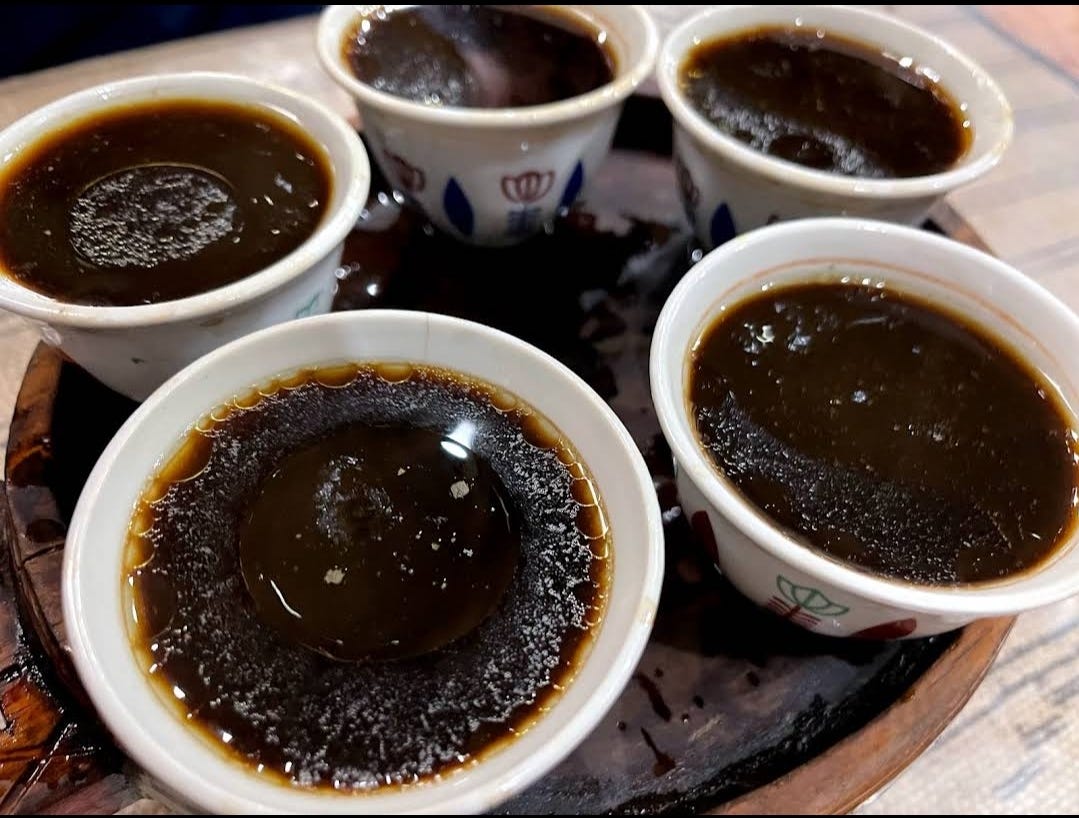

Buna (Amharic: ቡና)
The Amharic word for coffee. In Ethiopia, “buna” refers not only to the drink itself but also to the social ritual, conversation, and shared time surrounding coffee.
Jebena (Amharic: ጀበና)
A traditional Ethiopian clay coffee pot used to brew coffee during the Ethiopian coffee ceremony. The jebena is both a functional vessel and a cultural symbol, representing hospitality, patience, and storytelling.